Fortitudine Vincimus

Shackleton and Leadership. What can we learn from him?
Do you want to understand leadership?
What is the greatest challenge you have faced in your life? How did you respond?
Let me retell a story that puts true leadership into perspective.
“The ship had been named the Polaris. After the sale, Shackleton rechristened her Endurance, in keeping with the motto of his family, Fortitudine vincimus — ‘By endurance we conquer.’” — Alfred Lansing
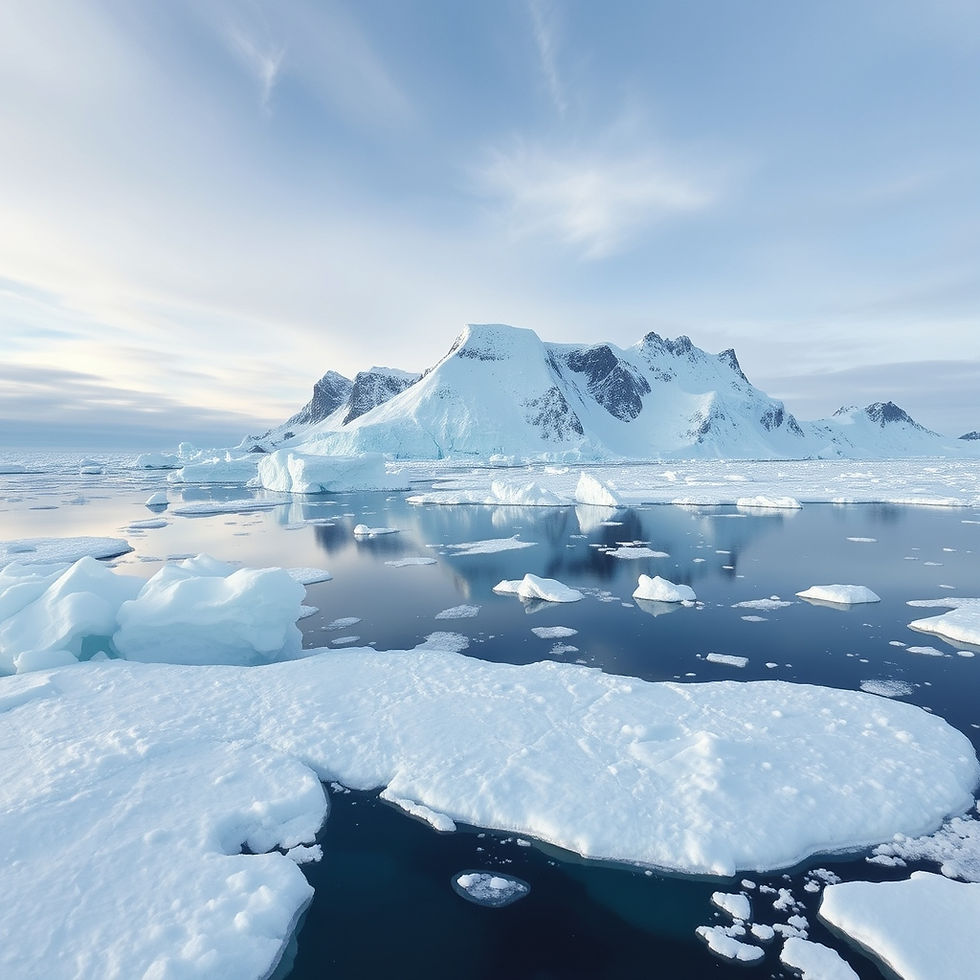
On a brutally cold January day in 1915, the ship Endurance, which was meant to lead a crew to Antarctica and over the South Pole by sled, became locked in ice.
Their mission of Antarctic exploration ended. Survival began.
Days passed. Then weeks. Then months.
Maybe she would survive. The Endurance would never be overtaken by the ice. She was too strong. She would outlast it - it was in her name. The spring thaw would surly free her.
But the ship finally succumbed to the tremendous pressure of the surrounding pack ice and began to splinter. She fought longer than anyone expected - three months - drifting more than 100 miles before the ice crushed her.
When water broke through the hull, the men had no choice but to accept the unimaginable.
Shackleton gave the order on October 15, 1915: “Abandon ship.”
They built camp on the ice within view of the dying vessel, watching helplessly as she was crushed in slow motion. The cracking timber sounded like distant bombs exploding. It was a slow death.
They named their new home Ocean Camp.
Now they too floated on the ice - surrounded by jagged peaks taller than houses that shifted without warning, ready to crush anything that dared challenge them.
They had entered a world of white. Endless snow and ice, as indifferent to human life as it was beautiful.
There was no way out. Or maybe there was.
Shackleton always had a plan. His crew had a true leader.
From the journals written during this period, a common sentiment echoed: If anyone can get us home, it is Shackleton. Their fate was in his hands.
To understand Ernest Shackleton, you must understand how he was wired.
He was not perfect - but who is? He sought fame and fortune like any ambitious man. Don’t we all? But he possessed something uncommon: unrelenting will. He did not know how to quit. He did not know how to fail. He never forgot his family motto.
After the Endurance sank, his crew looked to him.
What now? No rescue was coming.
Calmly - never showing the fear he must have felt - Shackleton instructed his men to continue their daily routines. There was still a chance of survival. There was work to do.
Hunt for food. Melt ice for water. Monitor the shifting pack.
The crew did not revolt or fight among themselves. They drew strength from his composure. They understood a simple truth: They would survive together - or not at all.
After nine months drifting nearly 500 miles north, the ice finally began to break apart. Shackleton waited and waited for the right moment. Suddenly he saw the right opening in the ice. Timing was everything. A moment too soon and they would be crushed by the flow. Patience under pressure is a true virtue. He gave the order, and they launched their lifeboats into frigid waters leaving Ocean Camp.
Weeks later, after paddling through brutal, below-freezing seas, they reached land - Elephant Island, a barren sliver of rock in the Southern Ocean. They had traveled another 300 miles.
Relief, yes. Safety? No.
No trees. No shelter. No passing ships.
They were exhausted beyond comprehension — emaciated, frozen, filthy. Their clothes, unchanged since abandoning the ship, were little more than shredded windbreakers stiff with frozen seawater and seal blood.
The challenge now before them was even more daunting. In order to travel by boat, they had to sacrifice most of their equipment, which still floated on the sea ice hundreds of miles south of their location.
The crew grew anxious over the situation they found themselves in. At least at Ocean Camp they had shelter. Now they sat exposed confronted by 100 mph winds and freezing rain. After three days, Shackleton revealed his plan.
He and three others would take a 22-foot lifeboat and sail 450 miles to South Georgia Island in search of rescue.
It was the equivalent of aiming at a needle in a haystack in the middle of the open ocean. Miss by even a mile, and they would drift into oblivion.
But there was no alternative.
Shackleton would never order others to attempt something he would not do himself. He led from the front.
They would face 100-foot waves. Hurricane-force winds. Zero visibility. Towering icebergs. Navigation guided only by a sextant, the sun, and the stars.
The men who joined him did not ask for comfort. They asked to go with Shackleton. They would rather die with him than die without him.
Their loyalty defied logic. The odds of survival were impossible. But this was Shackleton, after all. He didn’t know how to fail.
After weeks battling the frozen sea, they spotted birds - a sign of land. Against all odds, they had reached South Georgia Island.
But they landed on the wrong side.
The whaling station - salvation - lay across a mountain range that had never been crossed by foot. Still to this day only one other group of explores have ever dared traverse the South Georgia island mountain range. That group did it rested and with proper equipment.
But what about equipment? They had none. No proper gear. No food. No rest.
After allowing his men what he promised would be three hours of sleep, Shackleton woke them after fifteen minutes. He feared they would freeze to death if they slept too long - including himself. His men woke delirious convinced they had slept for days and they all started to hike with a renewed energy. Again, Shackleton had mastered the art of motivation.
They climbed for three days across glaciers and 10,000 foot jagged peaks.
Then they saw it. The whaling station. They had survived!
When Shackleton entered the station, he was unrecognizable - like some wild savage. The station manager stared in disbelief wondering who this person was. He knew Shakleton but did not know this man. Shackleton and his crew had died a year and a half earlier, right?
“Who goes there?” The man demanded.
“It is Shackleton.”
The man wept in response.
But Shackleton’s mission was not complete. His men still waited on Elephant Island. He had trained them well. They knew how to survive. They still had daily duties to do.
After three attempts and three months, he returned for them.
All twenty-seven men survived.
When the rescue ship appeared, the crew said: “I knew he would come back.”
That is leadership.
Not bravado. Not charisma. But endurance and resolve.
Action in the face of impossibility. Calm under unrelenting pressure.
So I ask you:
When have you faced something that seemed impossible?
How did you respond?
I have completed Ironman races. I have endured long hours, pain, exhaustion.
But I cannot hold a candle to Shackleton. I can only dream.
Next time you face impossible odds, ask yourself:
What would Shackleton do?
Then act accordingly.
Disclaimer: My blog is written in journal entry form. I write to improve my writing skills. There might be grammatical errors, but that is okay, because I am human. So please forgive me. It’s not perfect, but neither am I.


Comments